Parent Question
How do I know if a tumbling private lesson is productive?
Short answer
A productive private has a coach who is actively engaged the whole time, adapts drills to your athlete, tells you honestly where progress stands (often with video), and sends home only coach-approved work. Be cautious of anyone guaranteeing a skill by a specific date — progression is individual.
The CDU explanation
What that means in practice
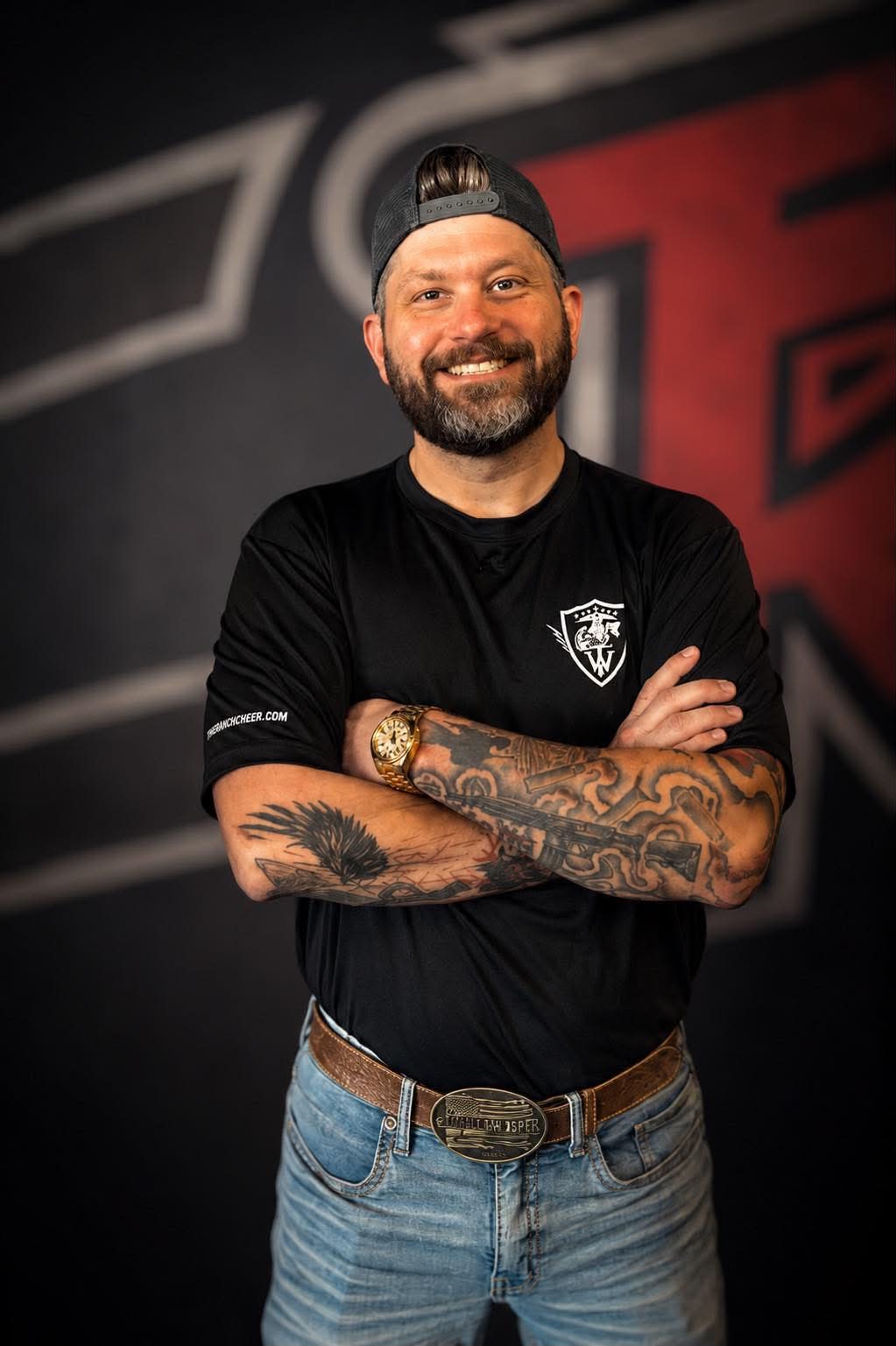
Coach Bryce Kirkley of Tumble Whisper walked through this in Episode 40. In his perspective, the value of a private is in the coaching: noticing what the athlete needs that day, adjusting, and giving feedback the athlete can use — not simply repetition.
Video feedback and coach-approved homework can extend a lesson, but Bryce stressed that any at-home work should be approved by the coach and appropriate for the athlete. Parents should not add their own drills or film for critique without that plan.
Privates also work best when the outside coach and the gym communicate respectfully, so the athlete gets consistent cues. Whether privates are needed at all varies by athlete, goals and budget — they are not required for every cheerleader.
Expert context
Season 1 sources
Coach Bryce Kirkley — Tumble Whisper
Episode 40
Tumbling coach on engaged coaching, adaptive drills, video feedback and realistic expectations.
Last reviewed 2026-09-24
Season 1 evidence
Episodes that cover this
Who told us this
Related experts

Related
Keep learning
Topic hubs
Next step
Full hub: Tumbling & Skills
How tumbling progression really works for cheer athletes: readiness versus having a skill, mental blocks, productive private lessons and where parents fit.
Open the hubStart from the beginning
The Parent Starter Guide
Ten chapters covering everything a first-year cheer family runs into.
Open the guide