Elite programs are built on standards, not just talent
Judge Mimi (Episode 24) described what separates elite programs from merely good ones from the judging table — consistency, presentation and discipline that show up long before the mat.
Topic Hub
Program culture is how a gym actually behaves: how coaches talk to athletes, how decisions are communicated to families, how the gym handles mistakes and setbacks, and what it rewards beyond banners. In our experience, and in what Season 1 guests described, it shapes how much a family enjoys the season more than any banner does.
Last reviewed 2026-10-15
Why it matters
From the show
Judge Mimi (Episode 24) described what separates elite programs from merely good ones from the judging table — consistency, presentation and discipline that show up long before the mat.
Across coach and gym-owner conversations in Season 1, the gyms families were happiest with were the ones that explained decisions — placement, level, routine changes — instead of just announcing them.
The most repeated recommendation on the show for evaluating a gym: go watch a normal Tuesday practice and pay attention to how coaches respond when something goes wrong.
When families add private tumbling outside the gym, Coach Bryce Kirkley (Episode 40) emphasized respectful communication between the outside coach, the gym and the family so the athlete isn't caught between conflicting cues. Gym policies on outside coaching vary — ask first.
Coach Becky Acra (Episode 43) — Program Director at Revolution Athletics and Coaching Specialist at HeadStrong Consulting — described building safe-to-fail environments without lowering standards: connect with the athlete before correcting, read their green, yellow and red states as everyday coaching language, and expect adults to regulate themselves first. Her framing is observational coaching language, not a clinical model.
In Episode 44, Coach Mom Kari Kratchman ties program standards to daily preparation, communication and how athletes show up for teammates. She distinguishes accountability from blame and describes training the team's response to a disrupted routine rather than hoping it happens automatically. Parents can ask how coaches teach those habits and recognize alternates and supportive teammates, not only visible performers.
Expert context
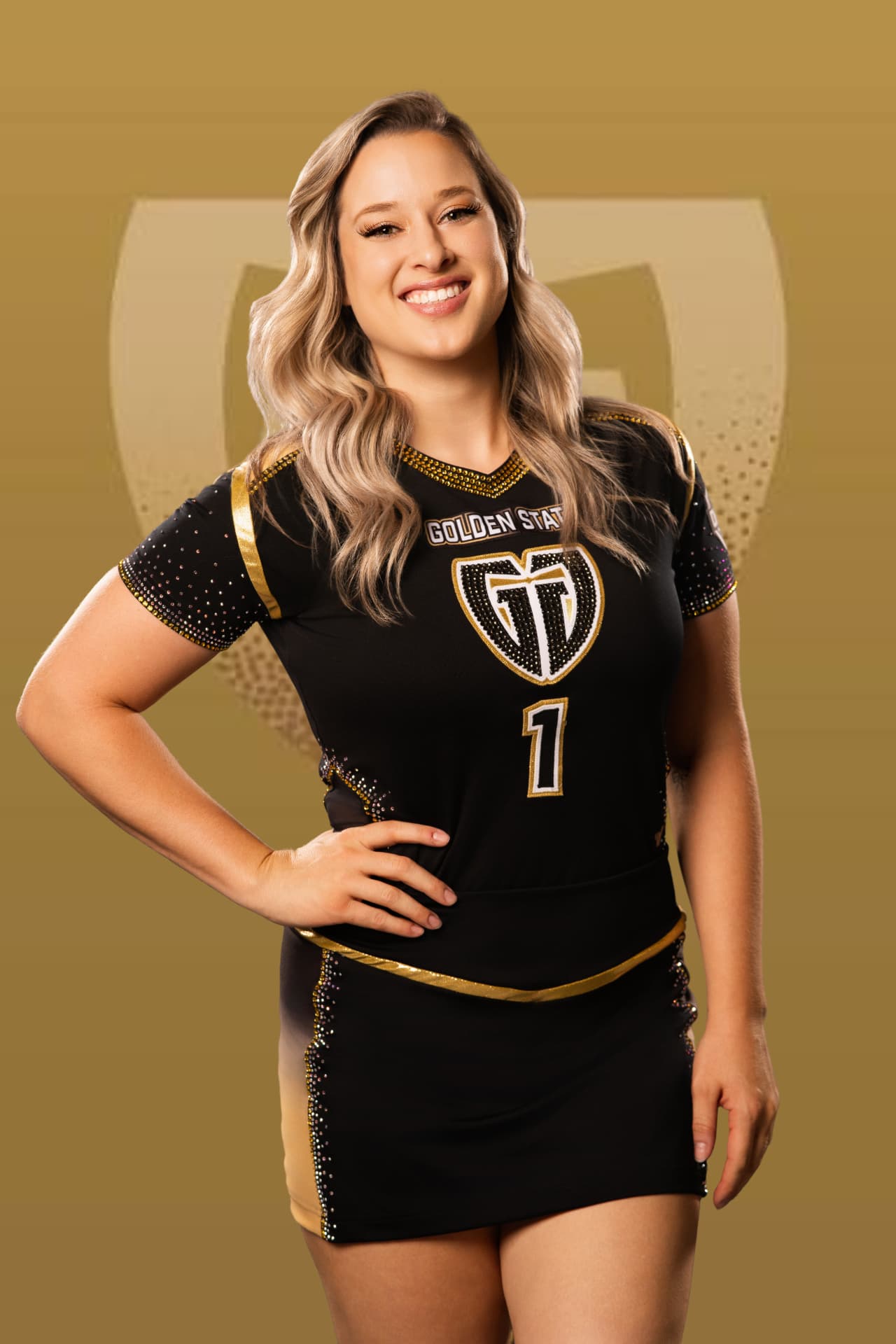
Britney Gilman — Supreme Cheer & Tumble
Episode 37
Gym owner and head coach on building culture from 21 athletes up, and what parents should look for when choosing a gym.
Episode 24
What distinguishes elite programs from good ones, seen from the judging table.
Episode 18
Coach, judge, gym owner and choreographer — the multi-seat view of how programs operate.
Episode 7
Coaching journeys and why community and connection matter inside a program.
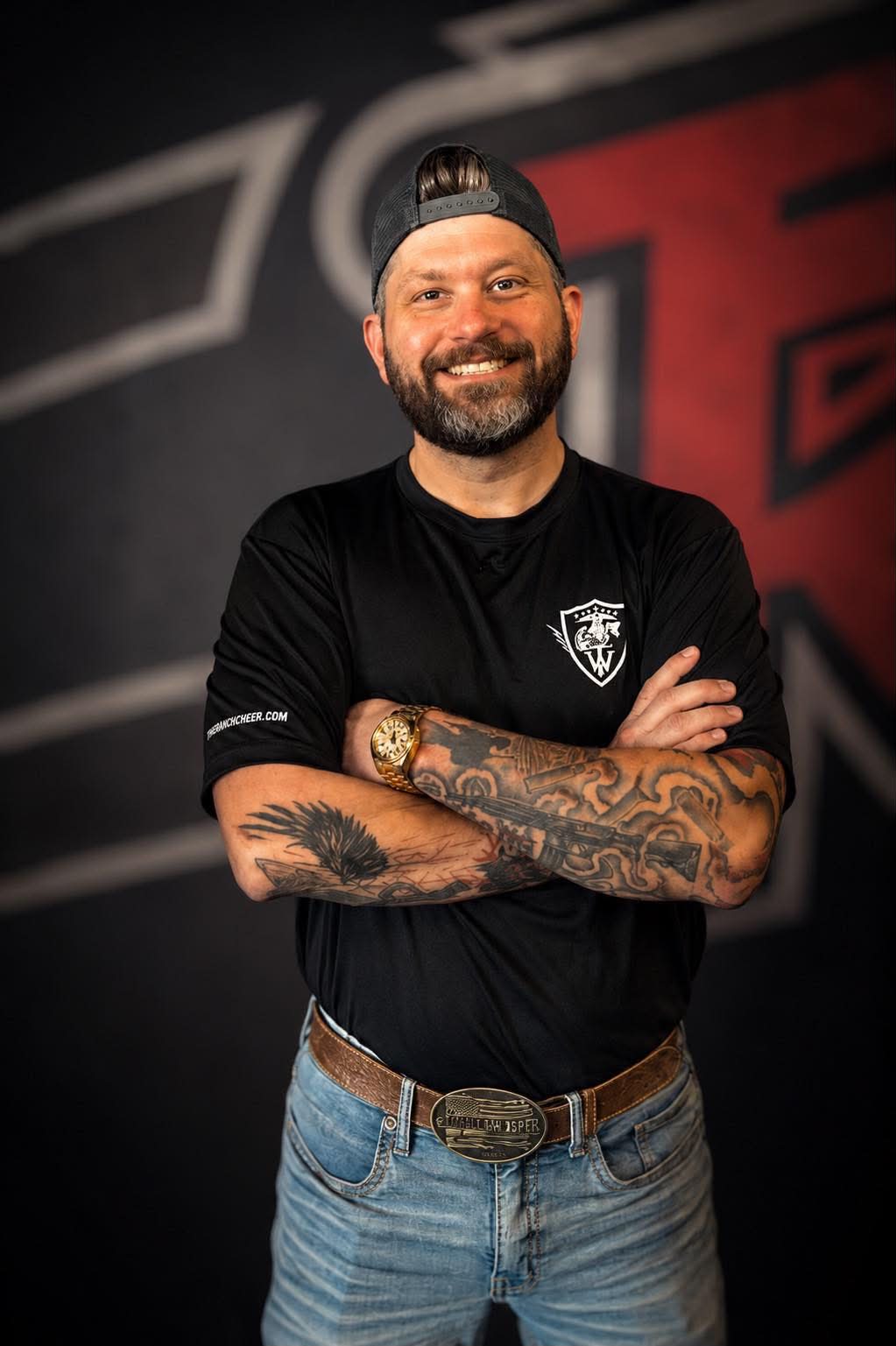
Coach Bryce Kirkley — Tumble Whisper
Episode 40
Tumbling coach on outside privates, respectful gym communication and individual development alongside team goals.
Episode 43
Coach, former gym owner and program director on connection before correction, safe-to-fail environments and reading athlete states.
Episode 44
On preparation, coach-led routine recovery, accountability without blame and valuing every teammate's contribution.
Parent questions
Choreographers design routines against a specific score sheet, placing skills and transitions to maximize earnable points at a difficulty the team can hit.
Read the answerSupport the athlete, leave the technique to the coach — one coaching voice beats two competing ones.
Read the answerClub-based competitive cheerleading: athletes train year-round at a private gym and compete routines against other gyms.
Read the answerWatch an ordinary practice, listen to how coaches handle mistakes, and judge communication as seriously as banners.
Read the answerLook for an engaged coach, drills adapted to your athlete, honest feedback and a plan that fits with the gym — not promises of a skill by a date.
Read the answerCollege cheer athletes represent their school — visibility, leadership and conduct matter alongside skills.
Read the answerThe back spot supports the stunt from behind — Ashlie Modabber calls back spots the backbone of the team.
Read the answerGood coaching keeps standards high while responding to the athlete in front of you.
Read the answerMental toughness is built through preparation, communication and how athletes respond to mistakes — not through fear, shame or pressure.
Read the answerKeep the standard, adapt the pathway — and make sure a result never becomes who the athlete is.
Read the answerLess than you think. Connect before you correct, let the athlete lead, and keep the car a debrief-free zone.
Read the answerRead the athlete's state first. Coach Becky Acra uses green, yellow and red as everyday language for when to push and when to support.
Read the answerSeason 1 evidence
Who told us this






Related
Topic Hub
What All Star cheer is, how gyms, teams, levels, seasons and competitions fit together, and what a first-year family should expect.
Explore hubTopic Hub
Where the parent role ends and the coaching role begins — how to support hard days, how much to push, and how to stay the safe place.
Explore hubTopic Hub
What burnout looks like in a year-round sport, the pressures that cause it, and how families protect the athlete behind the uniform.
Explore hubTopic Hub
How tumbling progression really works for cheer athletes: readiness versus having a skill, mental blocks, productive private lessons and where parents fit.
Explore hub