Topic Hub

Burnout & Athlete Wellbeing

Burnout is the point where the load of the sport — physical, emotional, social and logistical — outweighs an athlete's capacity to enjoy or recover from it. In cheer it usually shows up gradually: dread before practice, flat performance, tears that don't match the moment, or a sudden loss of interest in something they used to love.

Last reviewed 2026-10-15· Event & program specifics require verification

Why it matters

Why parents care

  • Year-round training with no true off-season makes recovery an active decision, not a default.
  • The early signs are behavioral, and parents see them first.
  • Protecting the athlete's relationship with the sport is what keeps them in it.

From the show

What the show taught us

Pressure rarely comes from one place

Season 1 guests described a stack: skill deadlines, level expectations, travel and cost, social dynamics on the team, and adults — coaches or parents — adding weight without meaning to. Any one is manageable; the stack is what breaks.


Identity matters

Coach Shaq's story in Episode 10 is the clearest example on the show of how much an athlete's sense of belonging and identity drives whether they stay, and how much impact one coach can have on that.

Rest is a skill families teach

The practical takeaway across the season: build genuine downtime into the calendar, keep at least one part of life that has nothing to do with cheer, and treat 'I need a break' as information rather than a threat.

Mental blocks call for listening, not pushing

In Episode 40, Coach Bryce Kirkley described handling mental blocks by listening to the athlete, reading body language and adapting the coaching — not by forcing reps. That is a coach's perspective, not a diagnosis; persistent fear or distress is worth raising with the gym and a qualified professional.

Keep performance from becoming identity

In Episode 43, Coach Becky Acra argued that high standards and emotional safety are not opposites: athletes develop best when adults protect connection, adapt the pathway without lowering the standard, and keep a result from defining who the athlete is. Her practical advice to families — avoid comparisons, let sports breathe and enjoy the journey.

Respond to setbacks without blame

Coach Mom Kari Kratchman (Episode 44) distinguishes accountability from blame and describes adapting coaching to the athlete. Her perspective on teammate support and responding after mistakes adds an educational resilience lens; it is not an injury-recovery plan or a clinical approach to wellbeing.

Expert context

Who explained this to us

  • Coach Shaq

    Episode 10

    Athlete and coach — on identity, resilience, stereotypes, and the impact coaches have on young athletes.

  • Cody Boyd — CHEER DAD

    Episode 20

    On winning versus athlete development, and the cost of pushing a young athlete too hard too early.

  • Hailey D’Lynn Smith

    Episode 36

    Pro cheer athlete and mentor on fear, mental blocks, injuries and the mindset tools — including visualization — she uses to keep going on bad days.

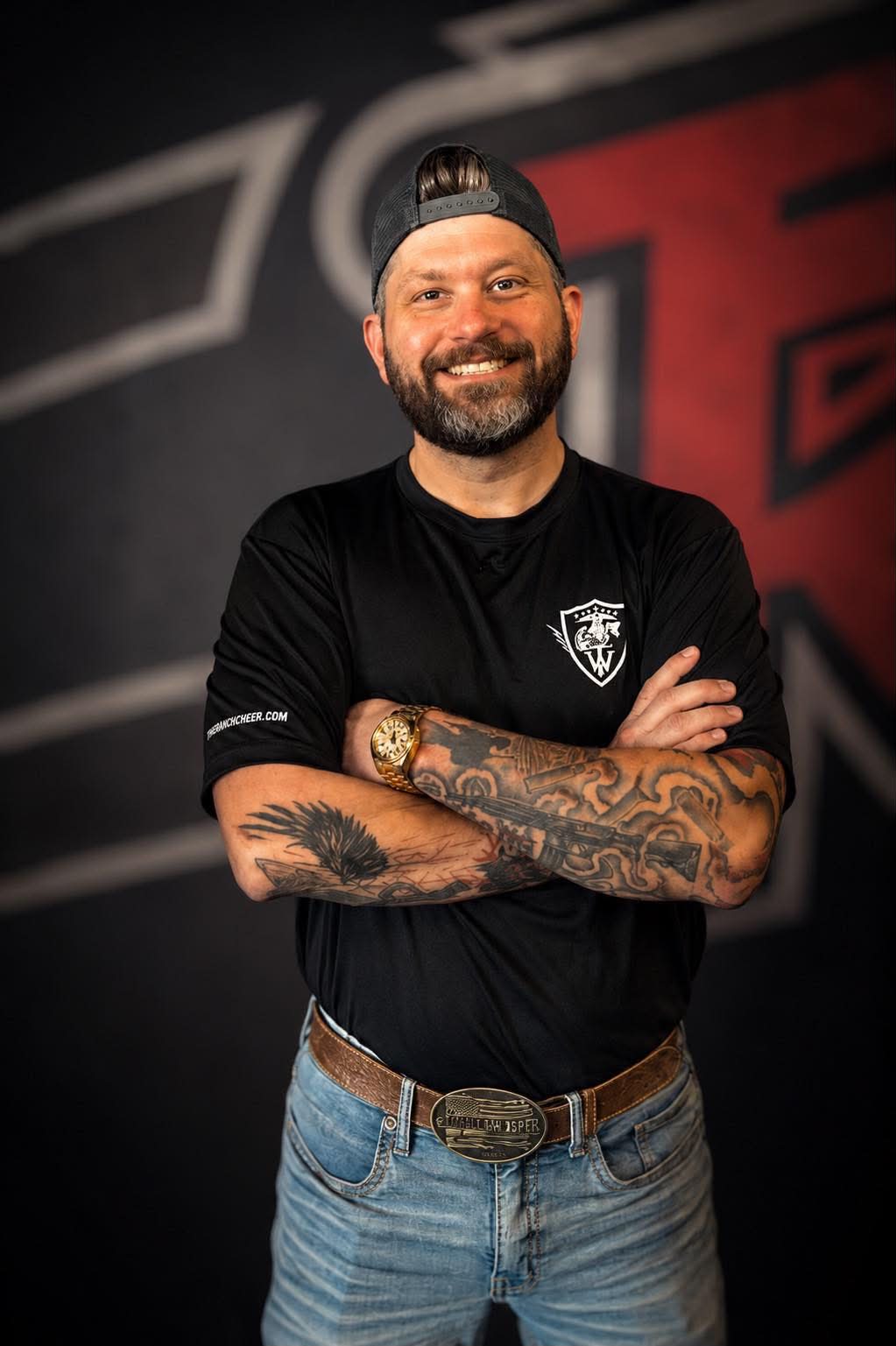
  • Coach Bryce Kirkley — Tumble Whisper

    Episode 40

    Tumbling coach on mental blocks, confidence and learning through setbacks without extra pressure.

  • Coach Becky Acra

    Episode 43

    Coach and cheer mom of three on high standards without identity pressure, adult self-regulation and letting sports breathe.

  • Coach Mom Kari Kratchman

    Episode 44

    On accountability without blame, teammate support after mistakes and adapting coaching to the athlete; educational perspective, not clinical guidance.

Parent questions

FAQs in this hub

What should parents do after a tough practice or competition?

Lead with how your athlete feels, skip the technical review, and let them decide when to talk about the performance.

Read the answer

Are private lessons necessary in competitive cheer?

Usually optional, sometimes genuinely useful — best used to unlock one specific skill rather than as a default add-on.

Read the answer

How do cheer levels and athlete readiness relate?

Levels describe the skills allowed in a division; placement should follow what an athlete can perform safely and repeatedly.

Read the answer

What causes burnout in competitive cheer?

A stack of year-round load, skill pressure, adult expectations and no real off-season — rarely one single cause.

Read the answer

Can adults keep competing in cheer?

Yes — cheer does not have to end at graduation. Adult athletes compete, coach and mentor, and some reach professional teams.

Read the answer

How can cheer coaches build mental toughness without fear or shame?

Mental toughness is built through preparation, communication and how athletes respond to mistakes — not through fear, shame or pressure.

Read the answer

How can cheer coaches keep standards high without making performance the athlete’s identity?

Keep the standard, adapt the pathway — and make sure a result never becomes who the athlete is.

Read the answer

What should a cheer parent say on the car ride home?

Less than you think. Connect before you correct, let the athlete lead, and keep the car a debrief-free zone.

Read the answer

How can a cheer coach tell when an athlete needs more effort—or more support?

Read the athlete's state first. Coach Becky Acra uses green, yellow and red as everyday language for when to push and when to support.

Read the answer

Related

Other topic hubs